

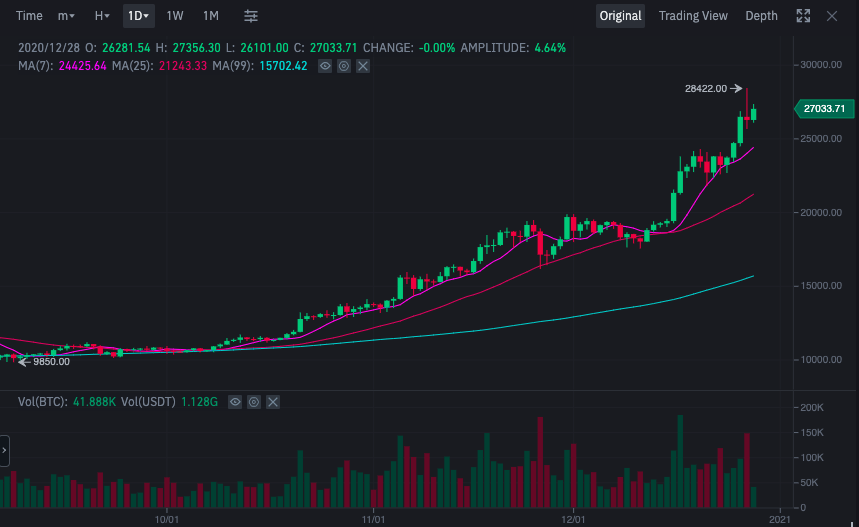
Binance is one of the world’s leading cryptocurrency exchanges, offering a comprehensive platform for trading digital assets. Understanding Binance trading involves grasping several key components that make it accessible and practical for both beginners and experienced traders. At its core, Binance provides a marketplace where users can buy, sell, and exchange various cryptocurrencies such as Bitcoin, Ethereum, and many altcoins.
To start trading on Binance, users must first create an account by registering with their email address or phone number and completing identity verification to comply with regulatory requirements. Once verified, users can deposit funds into their Binance wallet using fiat currency or cryptocurrency transfers from other wallets or exchanges. This initial step is crucial as it enables seamless participation in the diverse range of markets available on the platform.
Binance’s interface offers multiple trading options tailored to different levels of expertise. The “Basic” view presents an easy-to-understand layout displaying price charts, order books, recent trades, and buy/sell panels. For more advanced traders seeking detailed technical analysis tools such as indicators and chart patterns, the “Advanced” interface provides enhanced features to help make informed decisions.
Trading on Binance primarily revolves around placing orders in the market. There are several types of orders including market orders-which execute immediately at current prices-and limit orders that allow traders to specify a practical explanation desired price point for buying or selling assets. Stop-limit orders add another layer of control by triggering limit orders once certain price conditions are met. These order types enable traders to manage risk effectively while optimizing entry and exit points.
One practical aspect of Binance trading is understanding how fees work. The platform charges transaction fees based on trade volume and whether users pay fees using Binance Coin (BNB), which offers discounted rates compared to other payment methods. Being aware of fee structures helps traders minimize costs over time.
Additionally, Binance supports margin trading where users can borrow funds to increase their buying power; however, this comes with higher risks due to leverage effects amplifying potential gains or losses. Therefore, margin trading requires careful risk management strategies including setting stop-loss limits.
Another important feature is the availability of futures contracts allowing speculation on asset prices without owning them directly-providing opportunities for hedging or profiting from falling markets through short positions.
